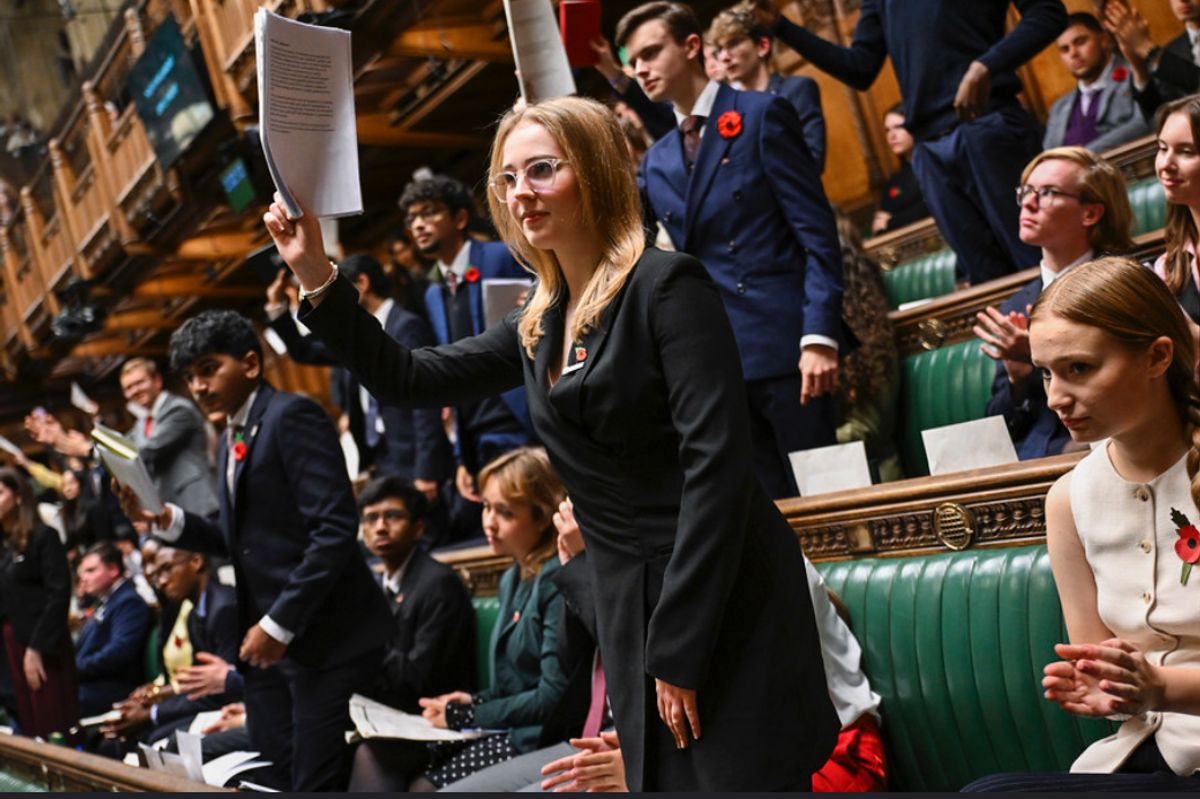
Sophie Bloomfield, a youth councilor from Guisborough, also researches the issue of violence among young people.
A Youth Parliament member whose campaign seeks to tackle the “crisis point” of young people’s mental health says banning social media for under-16s is not the answer to this and many other problems facing teenagers.
Sophie Bloomfield, from Guysborough, whose two-year term as Redcar and Cleveland MYP ends in April, is helping to signpost local mental health support and provide a clear pathway for young people to self-refer to services independently and independently.
Her website with relevant information can be linked via a QR code that can be scanned with a mobile phone. Venues that have signed up and displayed their QR codes include Regent Cinema in Redcar; Several schools are also promoting “Strike the Stigma” campaigns.
The government is considering the possibility of banning social media for under-16s, following in the footsteps of countries such as Australia, and has issued guidelines for parents of under-fives to limit screen time. Sophie was previously part of the Youth Select Committee investigating the link between social media and youth violence, helping carry out an investigation that ultimately delivered a report to 10 Downing Street.
“Instead of tackling the problem head-on and the way social media amplifies it, it will be swept under the carpet of prohibition. People who rejoin social media on their 17th birthday will not have the tools or knowledge to know how to react to negative situations.”
“Certainly we should hold big tech companies accountable and make social media a safe place for young people, but I don’t think a complete ban is the way to do it. We don’t need blanket policies. We need lots of small solutions that are complex and detailed and work for different people.”
A former pupil of Lawrence Jackson School, she has just completed her GCSEs and is currently studying Spanish, Chemistry and Biology at Queen Elizabeth Sixth Form College in Darlington. From her own experience, that of her friends, and the experiences of young people she speaks to in the community, she said many people reach a “crisis point before they realize their wellbeing needs.”
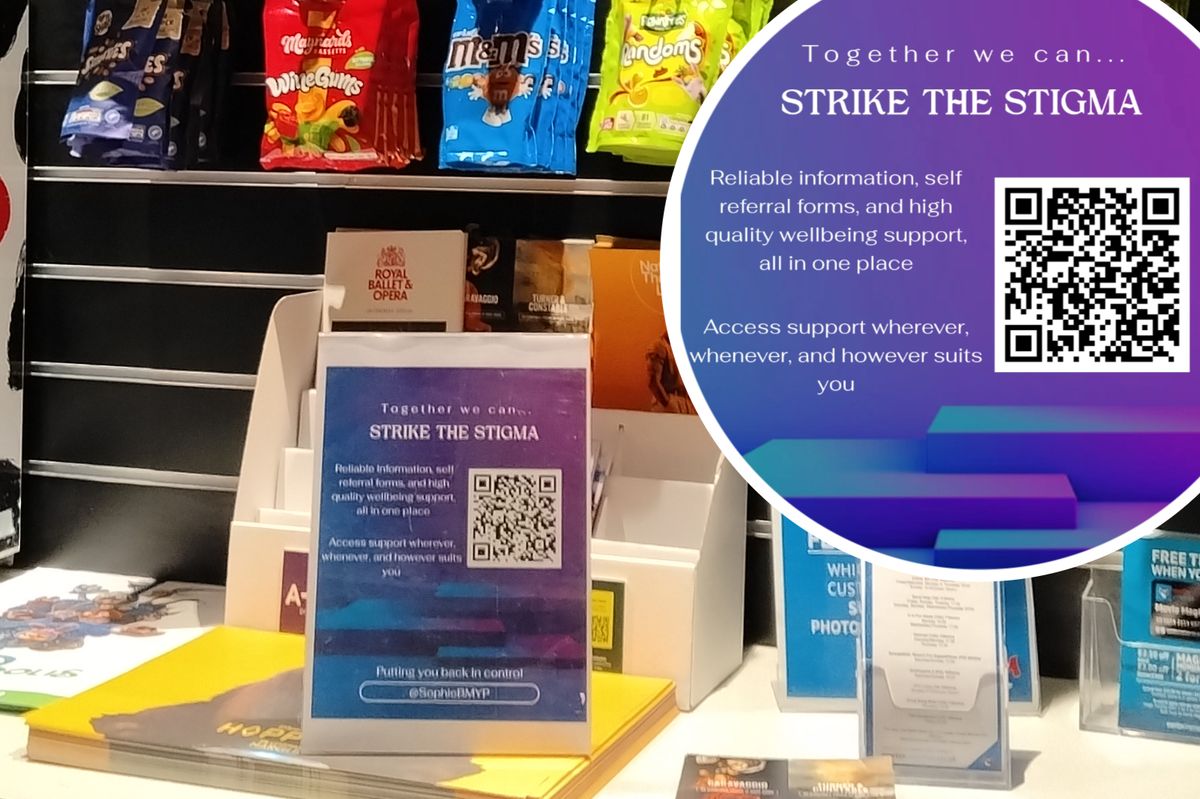
A QR code (inset) linking to Sophie Bloomfield’s website is on display at Regent Cinema
Sophie said: “My aim with this project is to enable young people to access trusted health information, choose the services that best support them and access support when and where they want.”
“There is a lack of access to mental health support for young people, especially in rural areas like Redcar and Cleveland. This campaign also aims to get people to talk more openly about their mental health.”
“I used quite a lot of services. [for the campaign] Meet some of them and collect [of services] What we have at the moment is really amazing and there’s a wide range of different treatments and treatments out there. They have been involved in the development of this project from every stage. ”
British Youth Parliament was established 25 years ago and is made up of over 300 young people aged 11 to 18. We offer opportunities to make a difference in society through meaningful representation and activism.
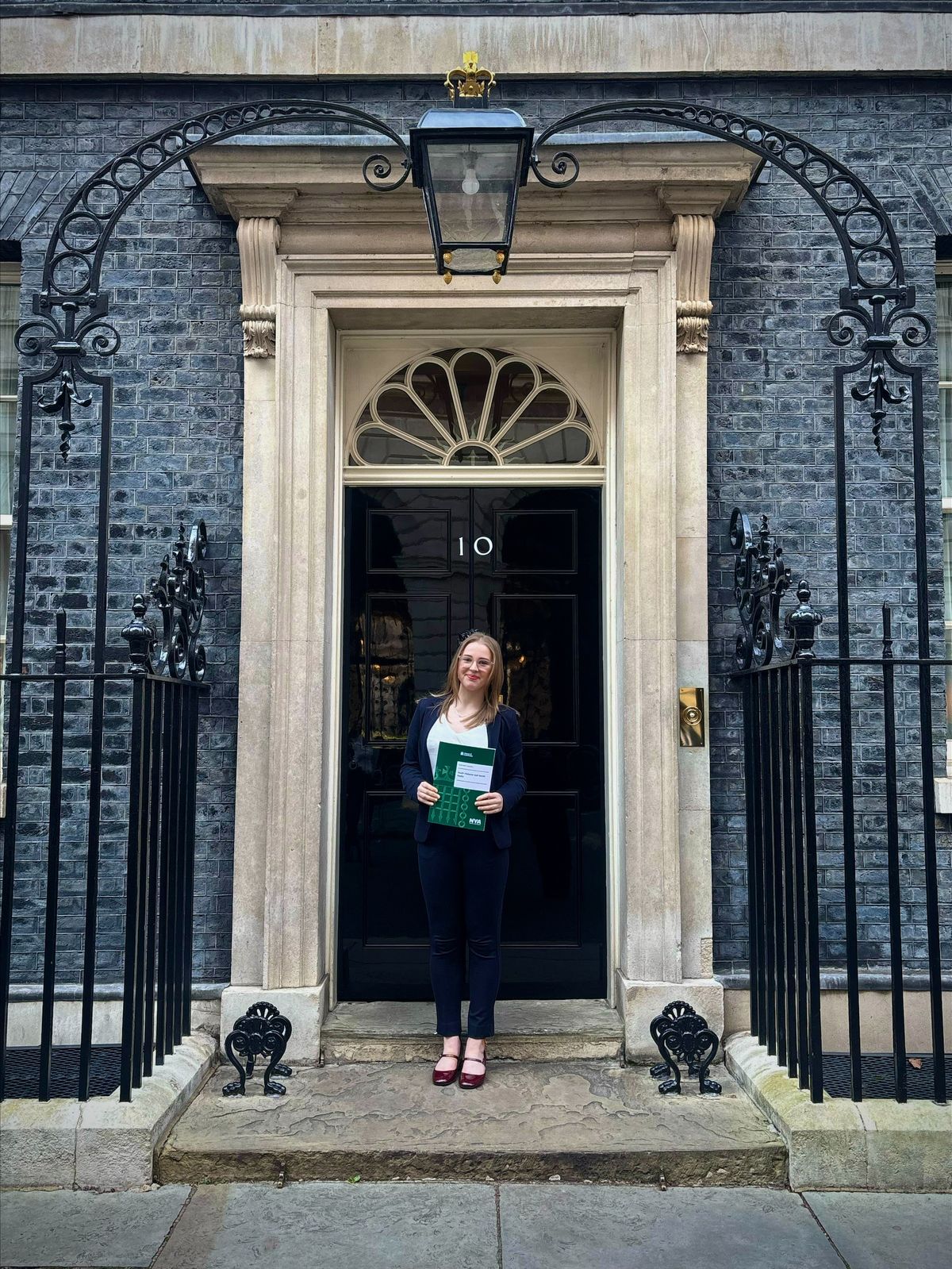
Sophie in Downing Street(Image: UGC)
Young people vote for the MYP in elections every two years. Elections are held in more than 70% of precincts, often in schools. Funded by a grant from the Department for Culture, Media and Sport, the UK Youth Parliament engages young people in policy-making and parliamentary processes, giving them direct access to decision-makers.
Once a year, the House of Representatives turns over to its elected representatives to speak on issues of interest to them and their colleagues. The MYP produces a manifesto, but unlike the MP, it is not affiliated with a political party.
Sophie said politics is part of her life as it “influences everything we do”, but she is interested in modern neuroscience and her immediate goals are to focus on her A-levels and get the grades she needs to study biomedicine at university. She said: “It’s about knowing where your studies are taking you, having fun with it, and branching out into different things, and ‘Strike the Stigma’ will continue to be a part of that.”
Did you know you can make Teesside Live your preferred source for Teesside news on Google? This means you’ll have more breaking news, exclusives and must-reads at your fingertips. Click here for details As for what this means and how to do it, you can also do this: Click here.
To get the latest Teesside news direct to your inbox every day, sign up to our free newsletter
#Teens #involved #antistigma #mental #health #campaign #social #media #bans #ineffective