A panel of experts on Monday presented a 66-point plan aimed at lowering the health insurance premiums that a growing number of Germans have to pay into the health insurance system.
Germany’s health care system is one of the most expensive in the world, with state health insurance companies alone spending around 1 billion euros (about $1.15 billion) a day on health care, and this figure is expected to rise further in the coming years. Meanwhile, Germans’ premiums with health insurance companies in these states rose by around 3% on average this year, on top of a 2.5% increase in 2025.
However, despite the increase in contributions, state insurance companies’ expenditures are increasing even more rapidly. At the press conference, the Commission held up a graph from the Association of State Insurers GKV showing that at current rates, the shortfall between income and expenditure of state insurers will increase from 15.3 billion euros in 2027 to 40.4 billion euros in 2030.
Closing the healthcare cost gap
The 66 recommendations presented Monday were designed to not only close that gap, but save you even more money. The 10-member commission, which included experts in the fields of economics, medicine, and social law, was particularly criticized for making too many recommendations, since it would be impossible for the government to implement them all, even if only for political reasons.
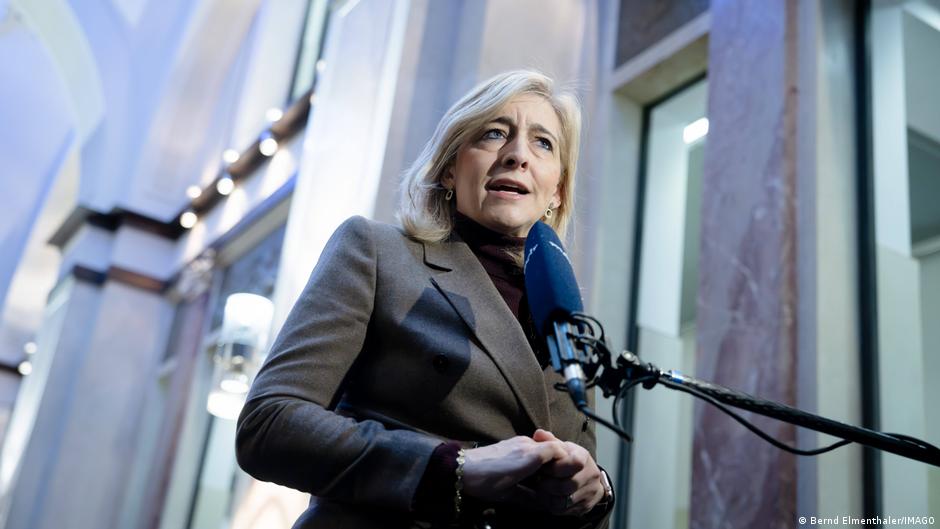
“We are grateful that the commission has presented us with a well-rounded toolbox, from which we will now take the best tools,” Federal Health Minister Nina Walken of the conservative Christian Democratic Union (CDU) told a news conference. “It is important to emphasize that we will not implement unilateral reforms that burden the insured. We will not undermine the foundations of a health care system based on solidarity.”
If taxes increase, business will decrease.
The committee’s 480-page report included the following recommendations:
- Increased taxes on spirits and tobacco.
- A new tax on sugary drinks. Committee member Ferdinand Gerlach, director of the Institute of General Practice and a doctor himself, said experience in other countries had shown that manufacturers tend to voluntarily reduce the sugar content of their products when a sugar tax is introduced.
- New measures that require planned surgeries, such as knee replacements, to be performed only if patients receive an independent second opinion from another doctor who has no financial stake in the decision. Germany conducts more such operations than many other EU countries.
- Patients pay more contributions for prescription drugs. Currently, health insurance companies pay for most prescription drugs.
- Spouses of breadwinners who do not have children under the age of 6 are automatically excluded from coverage. This is seen as a particularly controversial recommendation, with Bavarian state premier Markus Söder, for example, already saying he will not implement it.
- The federal government, not health insurance companies, should cover the medical costs of unemployment benefit recipients. According to the commission, this alone could save insurers €12 billion a year. However, such a proposal is likely to meet political opposition, as the government is also currently seeking to reduce the cost of the unemployment benefits system.
Eugen Blisch, president of the German Patient Protection Foundation (DSP), a patient rights group, said all 66 proposals could be sitting in the file cabinets of various medical institutions, but it was up to governments to agree on a clear plan.
“The time has come for the government to show its colors,” Breisch told DW in a statement. “Financial disparities need to be addressed. Sustainable health care cannot be achieved by finance committees, only by governments. For that we need a unified concept.”
For example, Brisch predicted that the proposal to have the government pay for unemployed people’s health insurance would lead to political conflict within the coalition government.
Details of the German healthcare system
Germany has a dual healthcare system that is funded by employee and employer contributions to health insurance companies. Health insurance is compulsory for all citizens, and state insurance companies, which cover about 90% of the population, cannot refuse coverage to anyone. Approximately 10% of the population chooses private insurance, which often offers more coverage.
But in the past, critics have raised concerns that hospitals and doctors have an incentive to recommend expensive and unnecessary treatments, putting a burden on health insurance companies and increasing premiums.
Health Minister Walken has promised to quickly consider the committee’s recommendations and produce legislation that his department will submit to Cabinet by the summer.
Edited by Lina Goldenberg
#solve #Germanys #expensive #healthcare #system