Use these tips to refresh your mindset and increase your happiness.
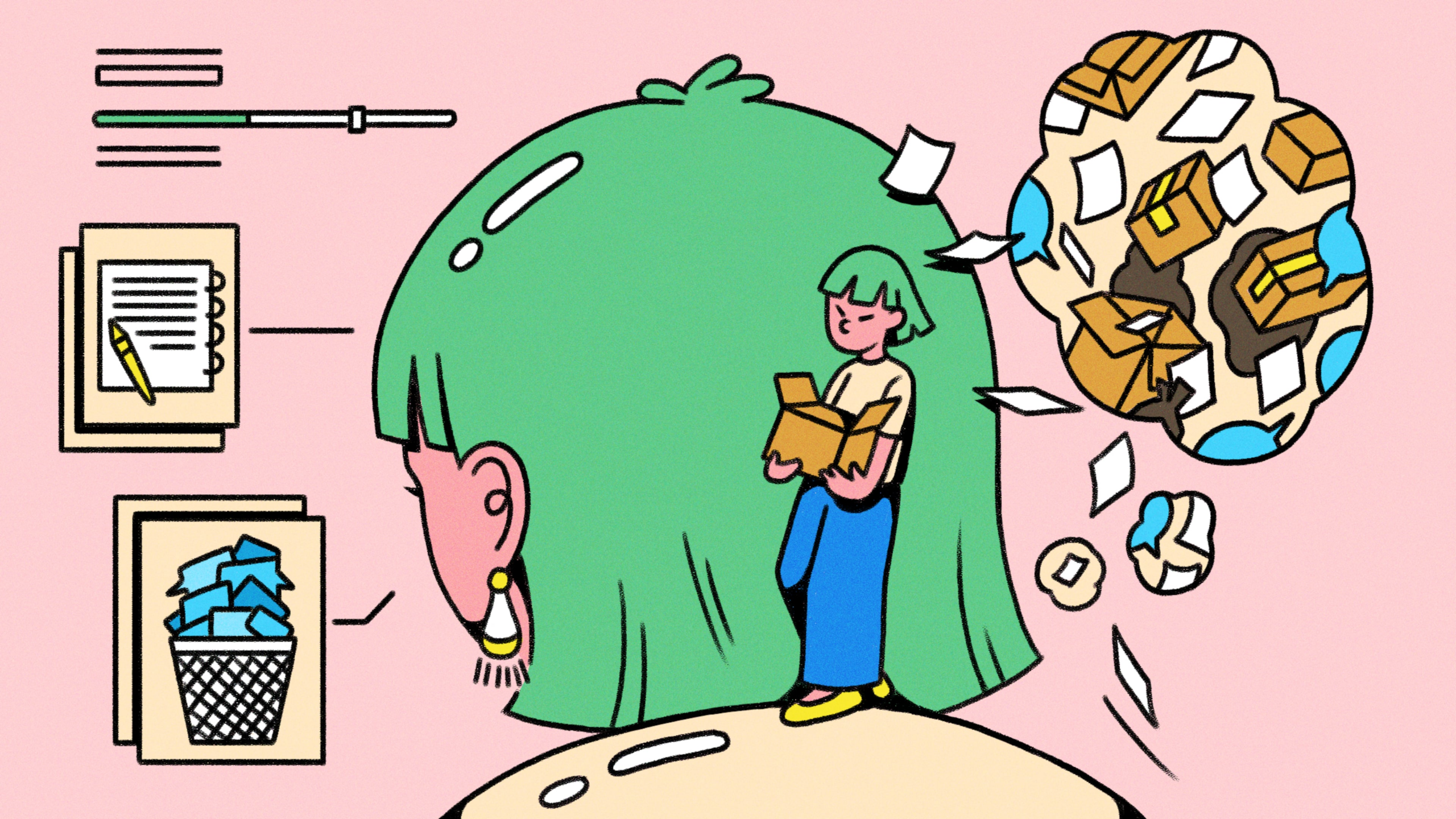
Spring cleaning isn’t just about the physical act of dusting and tidying up your home. It also applies to refreshing our way of thinking. (Illustration: Broly Sue/AJC)
The sun shines brighter and brighter, the days grow a little longer and pollen covers everything as far as the eye can see. This can only mean one thing. It means “spring has come”.
The dawn of spring has many different meanings for each of us, but perhaps most distinctively it symbolizes the opportunity for a new start.
The idea of spring cleaning may be a little boring, but it gives us a chance to evaluate what we currently have and decide if it still serves a purpose for us, if it brings us joy, and if there’s meaning to the life we’re living right now.
Spring cleaning may bring to mind images of clearing out and collecting bags full of toys and clothes, but it can be just as helpful when thinking about your mental health.
Instead of sorting out those sweaters in the back of your closet, why not take this opportunity to think about the habits, customs, and beliefs that currently govern who you are in the world? That sounds like a worthy cause to me. There are several tasks to get started.
1. Improve your self-talk
What do you say to yourself when you make a mistake or fall short of your best? We all make mistakes, so I’ll try harder next time, or, “I’m a complete failure and nothing’s going right.” If it’s the latter, you can definitely tone down your self-talk a little.
Self-talk refers to what we tell ourselves about ourselves, and is often shaped by how we were spoken to early in life. Self-talk tends to be more positive when people are praised when they do something well or encouraged when they make a mistake. However, if we are frequently criticized or made to feel unimportant, our self-talk can become more negative. Positive self-talk is highly correlated with confidence, self-esteem, and feelings of competence.
To better understand your self-talk, try the following: Set a day in the coming weeks to record what you say to yourself when you’re proud, when you doubt, or when you fail. Is it more positive or negative?
If it’s wrong in a negative way, I want you to think about how you would react to a friend who shared what you wrote in your log. You will likely be caring, considerate, and encouraging. Now practice using that same kindness toward yourself in the future.
2. Organize your digital space
It’s not just your physical space that needs a little organization from time to time. It can also be helpful to pay attention to where we live digitally, as digital clutter can be overwhelming.
Take the time to delete old text threads and contacts you no longer communicate with. Audit your social media accounts to evaluate who and what you follow and unfollow accounts that don’t make you feel good about yourself.
Check the photo albums on your device and organize your photos into albums. Decide what you want to print or otherwise save, and what you can delete. Especially all those screenshots you told yourself to go back to but never did.
3. Pave the way to what you want
Life is so monotonous that we sometimes find ourselves sticking to the same routine every day just because it’s easier and we’re used to it. And if you are a caregiver in some way, the demands and responsibilities of caring for others may often take precedence over what you want for yourself.
However, when we are in tune with our own needs and desires, we tend to feel more satisfied and fulfilled, and less resentful and angry. Spring is the perfect time to consider goals and aspirations you’ve been putting off and take steps toward achieving them.
Perhaps you told yourself you would take a photography class someday. Start the process by seeing if a local artist is offering a workshop or if there’s a local university hosting classes you can take.
Or maybe you’ve lost touch with a friend you really respect. Why not call them and plan a little getaway to catch up? Sometimes we don’t realize that what we want is not as out of reach as we think, with just a little bit of bandwidth and action.
4. Empty your emotional bag
If you’re like me, you have a bag of “stuff” in the far corner of your closet, filled with random things you don’t really need but don’t want to throw away. Sound familiar?
Our emotional closets may also house bags of these “stuff.” There are also disappointments that we have not been able to reconcile. The grudges we still hold because we were hurt. Sadness related to the loss of opportunities or relationships.
Sometimes it may feel easier to just keep the closet door closed so you don’t have to deal with these things, but it’s very likely that their influence is manifesting in your life in some way. Perhaps by feeling more irritable, more anxious, or feeling isolated.
One way to work through these feelings is to keep a journal. Grab a notebook (if you don’t already have a journal) and complete this exercise. If you take this bag of “stuff” out of your closet, what will you find there? How did it get there? What is the meaning of holding on to it, and what kind of support is needed to let it go?
Just write down everything that comes to mind. Don’t judge it or try to understand it, just write what comes to mind. Getting your thoughts out on paper can help you process your emotions and think about the “stuff” that is holding you back.
Would you like to try something new this spring to improve your mental health? We’d love to hear from you! Please share your thoughts with us at drjoy@ajc.com.
This column is for educational and informational purposes only and should not be construed as medical advice. This is not a substitute for seeking support from a qualified mental health or medical professional.
Has reading this column inspired you to think about things differently or try something new? We’d love to hear from you. Or if there’s something you’re working on in your life that could use some feedback, let me know. Please share at drjoy@ajc.com.

Dr. Joy Harden Bradford is a licensed psychologist, host of the popular mental health podcast Therapy for Black Girls, and author of Sisterhood Heals: The Transformative Power of Healing In Community.
#spring #cleaning #tasks #mental #health