“Sometimes they go missing for weeks,” said Galit, a clinical nutritionist and mother of two whose husband has served in the reserves for more than 200 days. “When he comes back, it’s a bonus, but you can’t build a life around it.” With her children staying at home instead of school, her income decreasing, and pressure mounting at home, Galit found herself becoming increasingly isolated. “I told my friends what I was struggling with,” she said. “I asked, ‘Why are you worried? He’s fine.'” I felt like I was complaining too much. ”
Eventually, Galit found a place where she could talk without feeling guilty. It’s a group for spouses of reservists on the Dagli online platform that builds a structured, anonymous peer support community to deal with mental health issues. “At first, I needed a place to talk without feeling guilty,” she says. “There, I felt understood. There was no judgment.” Within days, she was not only sharing, but responding to others. The women posted in the middle of the night. Others responded within minutes, not with clinical advice but with recognition: “I’m going through the same thing.”
6 View gallery

Galit: “I see, I feel like I understand. There’s no judgment.”
(Photo: Facebook)
Galit’s experience reflects a national mental health emergency that was not treated as an emergency by most people long before the war. Israel entered the conflict with an already weak and under-resourced mental health system, as well as a reactive approach. It quickly became clear that traditional care models could not meet the scale of the need. Recent data reflects this. While the majority of children show signs of distress, a large proportion of the population reports sleep disturbances and high anxiety.
“We realized that we were not talking about a small group, but about everyone,” explains Michal Shmul, acting director of mental health and welfare at JDC in Israel. “This is not just about clinical symptoms or specific demographics. It’s an issue that affects nearly everyone in different ways.”
6 View gallery
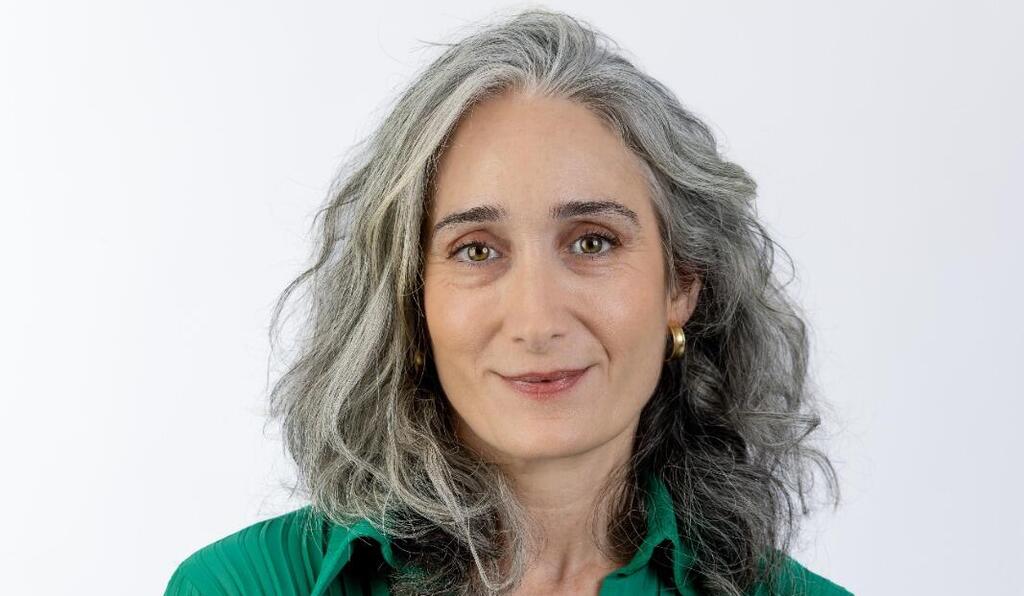
Michal Shmul, Acting Director of Mental Health and Wellbeing, Israel JDC
(Photo: Israeli JDC)
The needs were broader, embedded in everyday life, and required people’s ability to function, cope, and remain part of their communities. The COVID-19 pandemic has already caused a surge in demand, proving that mental health and wellbeing is no longer a marginal issue, but a universal component of public health. By the time war broke out on October 7, that understanding had already begun to reshape the JDC’s operations, expanding its lens from care aimed at traumatized populations to a response focused on the millions of suffering Israelis.
To address this, JDC is building a national mental health response that combines multiple layers: large-scale community programs, standardization to ensure best practices are implemented across the country, and early detection, all integrated with advanced digital tools. It is important to understand that technology does not replace human care, but is an integral part of a broader behavioral system.
6 View gallery
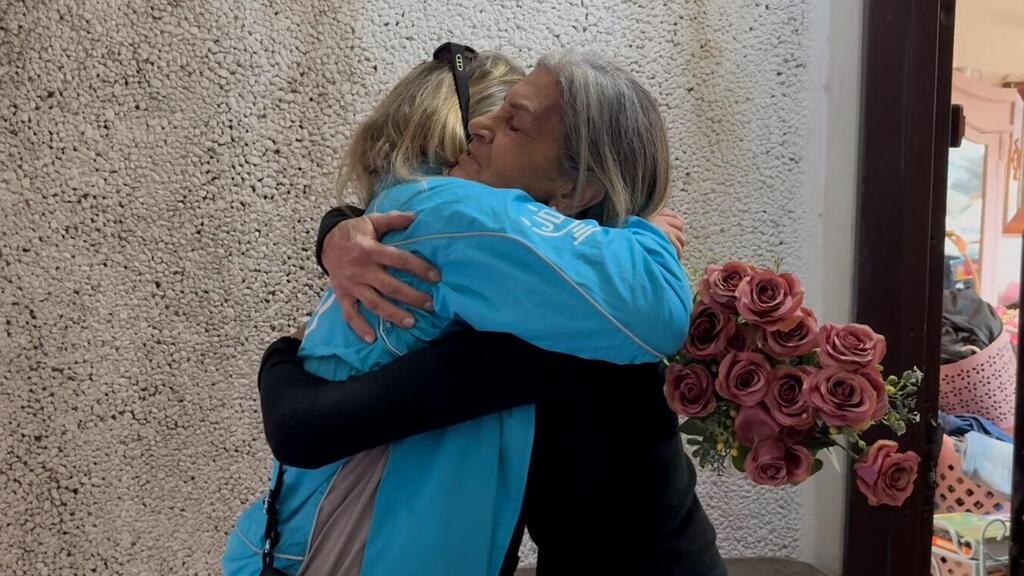
JDC staff assisting
(Photo: Addie Kenan)
Digital solutions are expanding access while shifting the paradigm from reactive care to preventive support. The initiative is being led by JDC’s Mental Health and Wellbeing Specialist Unit, which is working to identify and expand solutions that maintain high professional standards while reaching the widest possible audience.
One of the signature results of this approach is Nafshi, a national platform that aggregates hundreds of free and low-cost mental health and welfare services into a single system tailored to different populations and languages. Since its launch in late 2023, it has recorded more than 200,000 visits, with 50,000 people now visiting Nafshi since the outbreak of the war with Iran, and a further 100,000 people using JDC’s digital emergency resources, including other mental health solutions.
6 View gallery
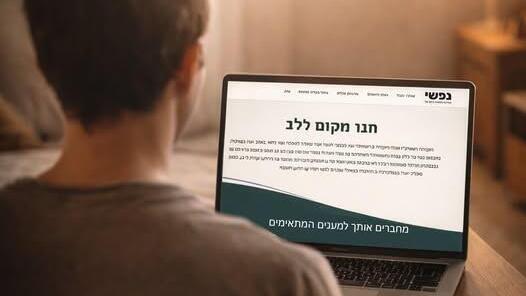
Nafshi, “Hundreds of free and low-cost mental health and wellbeing services”
(Photo: Israeli JDC)
Another layer of the solution is the use of technology for relationships through platforms like Dugri, which Galit used to manage the stress of war. This is not therapy, but a guided conversation between people who share similar experiences. In some cases, the platform can even serve as a first intervention for people expressing severe distress.
“People who have gone through similar things can understand each other without having to explain everything,” says Yotam Duggan, a clinical psychologist and founder of Dagri. He noted that the scale of the current crisis required action beyond the clinic. “There is and will always be a shortage of experts. We needed a broad, systematic and rapid response.”
6 View gallery
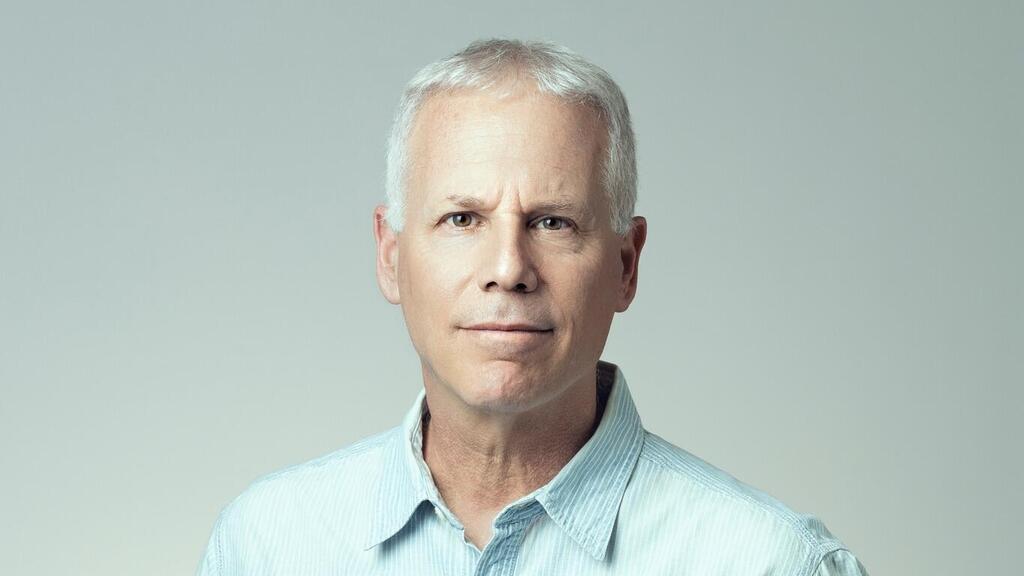
Yotam Duggan, founder of mental health app Dugri
(Photo: Social media)
Complementing this is TOKO, a platform that pairs individuals in continuous AI-guided sessions. There, structured conversations between peers are designed to build resilience and health without relying on traditional treatments. Michal Shmul of JDC said: “What we’re seeing is that people don’t just need treatment. People need connection and need to feel like they’re not alone. By leveraging the unique advantages of technology, we’re ensuring that the human element of connection remains at the heart of every solution we provide.”
The impact of these tools is not only emotional, but also preventive. Research shows that early support and community connections can significantly reduce the risk of long-term disability. More broadly, platforms like Dugri are indicators of what Israelis are experiencing. By analyzing anonymous conversations across the community, patterns of frustration, anger, fatigue, and difficulty returning to daily life begin to emerge.
6 View gallery
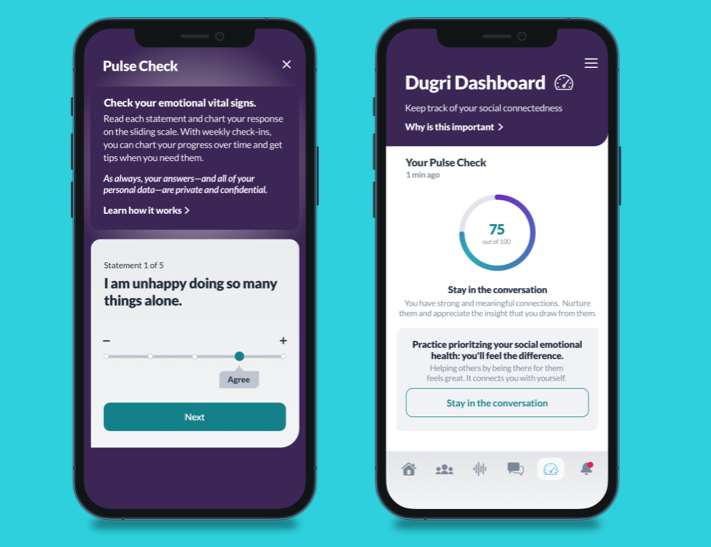
Dugri
(Photo: Dugri website)
“It’s like a barometer,” Duggan says. “We can see what’s going on beneath the surface.” This data is central to JDC’s larger approach to solving this crisis. The development of data-driven tools, such as national dashboards, will enable decision-makers in health systems, social sectors, and governments to track needs in real time and respond accordingly. This ensures that the response is not just a collection of apps, but a tailored national system that can adapt to the changing needs of Israelis.
The challenges ahead are not short-term. The war may be over, but the psychological effects are just beginning. There are hundreds of thousands of people who will never be able to return to normal life. That’s why JDC’s approach goes beyond just emergency response. Combine multiple layers. Integrating prevention, communities, infrastructure, and data into long-term efforts to build national well-being and resilience. This effort requires close coordination across public, private, and social sectors.
“Partnership is the mantra in many places,” Schmull said. “Here, this is the only way it will work.” JDC’s emergency response efforts work closely with the government and are made possible by the generous support of the Jewish Federations of North America and local Jewish federations, as well as individuals, families, foundations, and businesses.
The front lines are shifting as Israel moves into the next phase of the war and beyond. From the border to home. From physical to emotional. Correspondingly, correspondence is being built not only in clinics, but also in codes. Not only from experts but also from the community. Because in this war, the question is no longer whether people need assistance, but whether the system can reach them in time.
#Mental #health #crisis #technology #intervening